
Transform Your Home: Avoid These Dealbreakers Before Selling

Transform Your Home: Avoid These Dealbreakers Before Selling
Thinking about renovating before you sell your home? Smart updates can absolutely boost your sale price and help your home sell faster. But not every renovation delivers return on investment—and some issues that seem minor to you are absolute dealbreakers for buyers.
After years of helping sellers prepare their homes in Florida and South Carolina, I've learned exactly which updates matter and which ones waste your money. Let me share what actually moves the needle—and what sends buyers running.
Key Takeaways
- Not all renovations pay off—strategic updates beat expensive overhauls every time.
- Kitchen and bathroom updates consistently deliver the best ROI for sellers.
- Curb appeal is non-negotiable—buyers form opinions before walking through the door.
- Certain issues are instant dealbreakers—address them before listing or price accordingly.
- Layout and flow matter more than finishes—buyers want functional spaces.
- Professional guidance prevents costly mistakes—know your market before spending.
The Dealbreakers: Issues That Send Buyers Running
Before we talk about value-adding updates, let's address the issues that can tank your sale entirely. These aren't just turn-offs—they're dealbreakers that make buyers walk away or demand steep price reductions.
Roof Problems
A failing roof scares buyers and lenders alike. In Florida especially, insurance companies may refuse coverage on older roofs—killing deals entirely.
Foundation Issues
Cracks, settling, or water intrusion signal major structural problems. Most buyers won't take the risk—and those who will expect massive discounts.
Mold or Water Damage
Visible mold, musty smells, or water stains trigger immediate concern about hidden damage and health risks. This must be professionally remediated.
Outdated Electrical
Knob-and-tube wiring, Federal Pacific panels, or inadequate amperage are safety hazards that complicate insurance and scare away buyers.
Major HVAC Failure
In our Florida and South Carolina heat, a failing AC system is a crisis. Buyers expect working climate control—period.
Pest Infestation
Termite damage, active infestations, or rodent evidence are non-starters. Get a pest inspection and address any issues before listing.
High-Value Updates: Where Your Money Actually Pays Off
Now for the good news: strategic updates can significantly increase your sale price and speed. The key is focusing on improvements that buyers actually value—not just what looks nice to you.
Kitchen Updates
Kitchens sell homes. But here's the secret: you don't need a gut renovation. Often, strategic kitchen updates deliver better ROI than complete remodels:
- Cabinet refresh — paint or reface existing cabinets; replace hardware with modern pulls
- Countertop upgrade — quartz or granite creates instant perceived value
- Appliance update — matching stainless steel appliances still appeal to most buyers
- Lighting upgrade — under-cabinet lighting and modern fixtures transform the space
- Fresh paint — bright, neutral colors make kitchens feel clean and spacious
Bathroom Improvements
Bathrooms are the second most scrutinized rooms. Focus on:
- Vanity replacement — a new vanity with solid-surface top is high-impact, moderate-cost
- Fixture updates — modern faucets, showerheads, and towel bars in coordinated finishes
- Mirror upgrade — framed mirrors replace builder-grade plates
- Tile refresh — even regrouting and deep cleaning can make old tile look new
Renovation ROI: What Pays Off
Not sure where to invest your renovation dollars? Here's how common updates typically perform in terms of return on investment:
| Update | Typical Cost | Typical ROI | Verdict |
|---|---|---|---|
| Minor Kitchen Remodel | $10,000-$25,000 | 70-80% | High Value |
| Bathroom Remodel | $5,000-$15,000 | 60-70% | High Value |
| Fresh Paint (Interior) | $2,000-$5,000 | 100-200% | Excellent Value |
| Landscaping/Curb Appeal | $1,000-$5,000 | 100-150% | Excellent Value |
| New Flooring | $3,000-$10,000 | 70-80% | Good Value |
| Major Kitchen Remodel | $50,000-$100,000+ | 50-60% | Diminishing Returns |
| Pool Addition | $30,000-$70,000 | 40-50% | Low ROI* |
*Pool value varies significantly by market. In Florida, existing pools are expected; in some South Carolina areas, they can be a selling point. Adding a pool just before selling rarely pays off, but having one isn't a negative.
I can help you identify which improvements will actually boost your sale price—and which ones to skip. Get a personalized evaluation of your home.
Get Your Free Evaluation
Curb Appeal: Where First Impressions Are Made
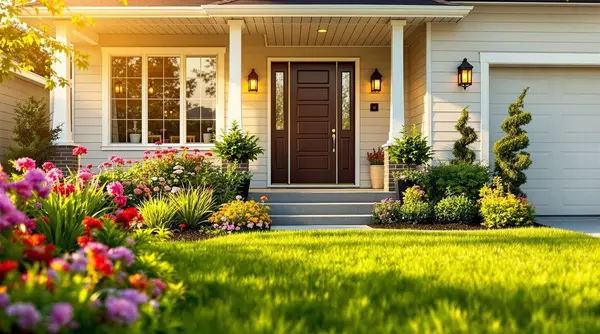
Buyers form opinions before they walk through your door. In fact, many buyers do drive-by screenings before scheduling showings—if your exterior doesn't impress, they may never see your gorgeous interior.
Curb Appeal Checklist
- Lawn maintenance — mow, edge, and address bare spots before every showing
- Fresh mulch — instant polish for garden beds (cost: under $200)
- Power washing — driveway, walkways, siding, and pool deck
- Front door refresh — paint or replace; add new hardware
- Exterior lighting — working, clean fixtures; consider solar path lights
- House numbers — modern, visible numbers are a small but impactful touch
- Potted plants — flank the entry with colorful, healthy plants
Renovation Priorities: Florida vs. South Carolina
While the fundamentals apply everywhere, our Florida and South Carolina markets have some distinct buyer expectations:
| Factor | Florida Priorities | South Carolina Priorities |
|---|---|---|
| Outdoor Living | Screened lanais, pools expected; outdoor kitchens valued | Porches and patios important; Lowcountry charm matters |
| Storm Protection | Impact windows/shutters highly valued; affects insurance | Important in coastal areas; less critical inland |
| HVAC | Critical—buyers scrutinize age and efficiency | Important; both heating and cooling matter |
| Flooring | Tile and LVP dominate; carpet in bedrooms only | Hardwood highly valued; LVP acceptable |
| Design Style | Bright, coastal, modern; light colors preferred | Traditional and transitional both work; classic charm valued |
Browse my current listings to see how well-prepared homes are presented in both markets.
Layout and Functionality: What Buyers Actually Want
Beyond finishes, buyers care about how a home feels and functions. You can't easily change your floor plan, but you can work with what you have:
Open Floor Plans
Connected living, dining, and kitchen spaces feel inviting and modern. If you can remove a non-structural wall, consider it.
Natural Light
Bright spaces photograph beautifully and feel larger. Remove heavy drapes, clean windows, and add mirrors to bounce light.
Ample Storage
Closet organization systems, pantry space, and garage storage are highly valued. Declutter to show off storage capacity.
Flex Spaces
Home office capability is now expected. Stage a spare bedroom as an office to show remote-work potential.
See What Well-Prepared Homes Look Like
Browse my current and recently sold listings to see how strategic preparation pays off.
Frequently Asked Questions
How do I set a realistic renovation budget before selling?
Start by getting a professional market analysis to understand your home's current value and what similar updated homes are selling for. The difference suggests your upside potential. Then focus your budget on high-ROI updates like paint, kitchen refreshes, and curb appeal—not major structural changes. A good rule: spend no more than 5-10% of your expected sale price on pre-sale improvements.
How long does a typical pre-sale renovation take?
Most cosmetic updates can be completed in 2-4 weeks with proper planning. A minor kitchen refresh takes 1-2 weeks; bathroom updates about a week; painting a whole house 3-5 days professionally. Major renovations take 2-3 months or more. Build in buffer time and don't list until work is complete—buyers respond poorly to in-progress projects.
Should I tackle renovations myself or hire professionals?
For cosmetic work like painting, hardware replacement, and landscaping, DIY can save money if you have the skills and time. For anything involving electrical, plumbing, structural changes, or major systems, hire licensed professionals. Buyers and inspectors can spot amateur work, and unpermitted improvements can derail sales. The cost of doing it right is worth it.
Do I need permits for pre-sale renovations?
Yes, permits are required for any work involving structural changes, electrical, plumbing, HVAC, or adding square footage. Cosmetic updates like paint, flooring, and fixture swaps typically don't need permits. Unpermitted work must be disclosed and can cause problems with buyers, lenders, and insurance. Always pull required permits—it protects you legally and shows buyers the work was done properly.
Is it worth getting a pre-sale home inspection?
A pre-listing inspection can be valuable because it reveals issues before buyers find them. This gives you the choice to repair items, price accordingly, or disclose upfront. It removes surprises during negotiations and can speed up the sale process. The cost is typically $300-$500—a small investment for peace of mind and negotiating leverage.
What if I can't afford pre-sale renovations?
Focus on free or low-cost improvements first: deep cleaning, decluttering, rearranging furniture, and maximizing natural light. Minor touch-ups like paint and hardware can be done affordably. If major issues exist, you can sell as-is at an adjusted price, offer repair credits at closing, or explore bridge financing options. Your agent can help you weigh the cost-benefit of various approaches.
Renovate Strategically, Sell Successfully
The goal isn't to create your dream home—it's to create a home that appeals to the broadest pool of buyers at the highest price point. That means fixing dealbreakers, focusing on high-ROI updates, and presenting your home in its best light.
Every home is different, and what makes sense in Tampa may differ from what works in Charleston. Before you start swinging hammers or writing checks, let's talk about what will actually move the needle for your specific property and neighborhood.
I'm happy to walk through your home and give you honest guidance about where to invest—and where to save your money. Sometimes the best renovation advice is knowing what not to do.
Recent Posts






GET IN TOUCH