
Experts Warn: Don't Paint These Home Items
Experts Warn: Don't Paint These Home Items
Paint is one of the most affordable, transformative tools in home improvement. A fresh coat can breathe new life into tired rooms, boost curb appeal, and even increase your home's value. But here's what many DIY enthusiasts learn the hard way: not everything should be painted.
Some surfaces don't hold paint well. Others become safety hazards when painted. And certain items simply look worse—or become damaged—when covered with paint. Before you grab that brush, here's what the experts want you to know about which home items to skip.
Key Takeaways
- Bathtubs and showers require professional refinishing, not DIY paint—safety and durability are at stake.
- Kitchen and bathroom fixtures should be replaced, not painted—painted faucets peel and chip quickly.
- Hardwood floors need proper refinishing, not paint—you'll damage their value and beauty.
- Electrical appliances are never safe to paint—it can create fire hazards and void warranties.
- Tile backsplashes rarely hold paint well—replacement or professional refinishing works better.
- When in doubt, replace—often the cost is comparable to painting, with much better results.
Bathroom Surfaces: Where Paint Fails Fast
The bathroom is ground zero for painting mistakes. The combination of moisture, temperature changes, and constant use makes this the toughest environment for paint to survive—and the most dangerous place to use the wrong products.
Bathtubs & Showers
DIY bathtub paint kits are tempting but risky. The paint peels quickly in wet conditions, creates slippery surfaces, and can release harmful fumes. Professional reglazing uses different products and techniques that last.
Professional Refinishing
Hire a professional to reglaze your tub (typically $300-$600) or replace it if the budget allows. Professional refinishing lasts 10-15 years and creates a safe, durable surface.
Faucets & Fixtures
Painted faucets peel within months—sometimes weeks. The constant water exposure and handling causes paint to chip and flake, looking worse than the original finish.
Replace the Fixtures
Basic faucets cost $50-$150 and install in under an hour. Modern fixtures instantly update your bathroom and won't peel, chip, or flake. It's often cheaper than quality paint supplies.
Flooring That Should Never See a Paintbrush
Painting floors is sometimes appropriate—concrete, some wood porches, and certain vintage floors can handle it well. But other flooring materials suffer permanent damage when painted.
Hardwood Floors
Never paint quality hardwood floors. Here's why:
- Destroys value — hardwood is a premium feature buyers pay more for; paint eliminates that value
- Difficult to reverse — stripping paint from hardwood is labor-intensive and often damages the wood
- Wears poorly — floor paint scratches and shows traffic patterns quickly
- Signals problems — buyers assume painted floors hide damage (and they're often right)
Better option: Have hardwood professionally refinished. Even heavily worn floors can often be sanded and restained for $3-$8 per square foot—revealing beautiful wood that adds value rather than covering it up.
Tile Floors
Tile paint exists, but it rarely performs well long-term, especially on floors. The constant foot traffic, moisture in bathrooms, and the tile's slick surface cause paint to peel and chip. If you hate your tile, replacement or professional refinishing are more durable solutions.
Kitchen Items That Don't Take Paint Well
The kitchen presents unique challenges: heat, grease, moisture, and heavy use. Some surfaces simply can't handle paint in this demanding environment.
Tile Backsplashes
Backsplash tile takes constant splashes, heat from cooking, and frequent wiping. Paint rarely adheres well to tile's smooth surface and quickly shows wear in this high-use area.
Peel-and-Stick or Replace
Quality peel-and-stick tiles create a fresh look over existing backsplash. Or budget for replacement—tile installation is relatively affordable and dramatically updates your kitchen.
Appliances
Painting appliances can void warranties, create fire hazards (especially near heating elements), and looks obviously DIY. The paint chips from door handles and shows every fingerprint.
Appliance Film or Replace
Stainless steel appliance film can update the look temporarily. For selling, matching appliances make a strong impression—consider replacing if your current set is mismatched or dated.
Quick Reference: What to Paint vs. What to Skip
Not sure if something should be painted? Here's a quick guide:
| Item | Paint It? | Better Alternative |
|---|---|---|
| Interior Walls | Yes ✓ | Paint is perfect here—use quality paint in neutral colors |
| Kitchen Cabinets | Carefully ⚠ | Yes with proper prep; professional results need skill |
| Bathtubs | No ✗ | Professional reglazing or replacement |
| Faucets & Hardware | No ✗ | Replace—often costs less than quality paint supplies |
| Hardwood Floors | No ✗ | Sand and refinish to restore beauty and value |
| Front Door | Yes ✓ | Great ROI—use exterior paint in a welcoming color |
| Tile Backsplash | No ✗ | Peel-and-stick overlay or new tile installation |
| Appliances | No ✗ | Appliance film for temporary update; replace for selling |
| Leather Furniture | No ✗ | Leather conditioner/dye or professional restoration |
| Exterior Siding | Yes ✓ | Excellent curb appeal boost with proper prep |
Not sure which updates are worth the investment? I can help you prioritize improvements that actually boost your sale price—and avoid costly mistakes.
Get Your Free Evaluation
Furniture and Décor: Know Before You Paint
Furniture painting has become hugely popular—and for many pieces, it's a great option. But some materials don't take paint well, and painting the wrong items can destroy their value or functionality.
Leather Furniture
Painting leather is almost always a mistake. Regular paint cracks and peels as the leather flexes; it looks and feels wrong. If your leather is faded or discolored, leather-specific dyes and conditioners work much better—or consider professional leather restoration for valuable pieces.
Antique or Valuable Furniture
Painting antiques can destroy their value. Before painting any older furniture, do your research. That tired-looking dresser might be worth thousands in its original finish—or worth nothing once painted. When in doubt, consult an antiques dealer before reaching for the paintbrush.
Veneered Surfaces
Veneer—a thin layer of nice wood over a lesser material—is tricky to paint. Sanding (often required for paint adhesion) can easily go through the veneer, leaving an uneven surface. If you must paint veneer, skip aggressive sanding and use a bonding primer.
Safety First: Items That Are Dangerous to Paint
Beyond looking bad, painting certain items creates genuine safety hazards:
Electrical Outlets & Panels
Paint can interfere with electrical connections, create fire hazards, and hide warning signs of electrical problems. Never paint outlets, switches, or electrical panels.
Heating Units & Radiators
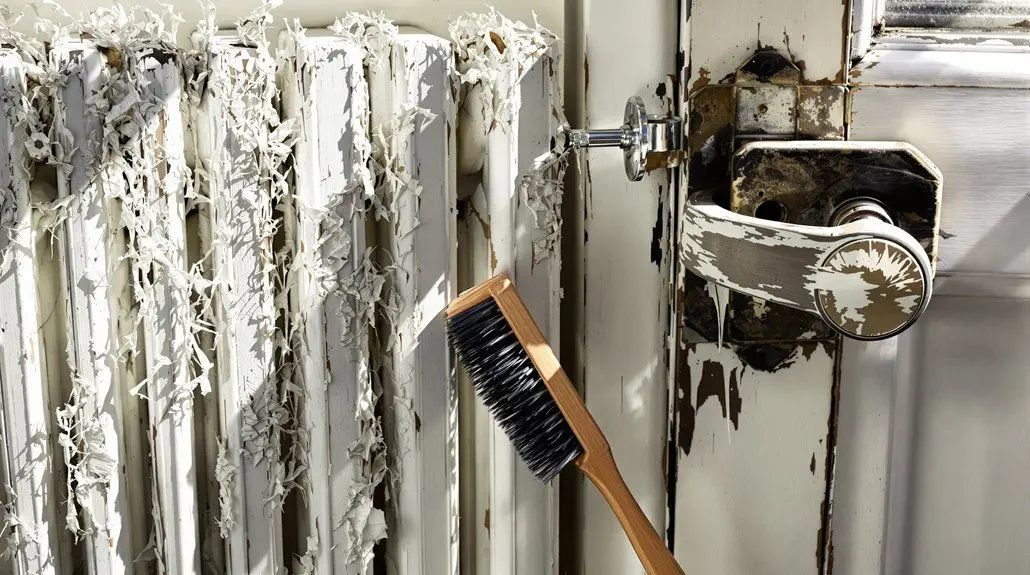
Standard paint can release toxic fumes when heated and may become a fire hazard. If you must paint radiators, use only high-temperature paint designed for the purpose.
Window & Door Locks
Paint can gum up locks, making them sticky or non-functional. In an emergency, a painted-shut window lock could be dangerous. Always mask hardware when painting nearby.
HVAC Vents & Returns
Painting vents can restrict airflow, reduce HVAC efficiency, and cause paint particles to circulate through your home. Replace rather than paint for a fresh look.
Outdoor Items: Special Considerations
Outdoor painting comes with its own set of challenges. Sun, rain, humidity, and temperature swings all stress paint in ways interior environments don't.
In Florida and South Carolina, the intense sun and humidity are particularly hard on paint. Items that might hold up in other climates often fail quickly here. If you're painting outdoor items:
- Use exterior-grade paint — interior paint won't survive outdoor conditions
- Choose UV-resistant formulas — prevents fading in our strong Southern sun
- Prep surfaces properly — outdoor items need cleaning, sanding, and priming
- Paint in ideal conditions — avoid high humidity days and extreme heat
- Plan for maintenance — outdoor paint needs touch-ups every few years
Browse my current listings to see how well-maintained exteriors boost curb appeal—proper paint choices make all the difference.
Preparing to Sell? Get Expert Guidance
I'll help you identify which updates will pay off—and which DIY projects might hurt more than help.
Frequently Asked Questions
Can I paint outdoor furniture?
Yes, but use exterior-grade paint designed for the material (wood, metal, or plastic). In Florida and South Carolina, UV-resistant formulas are essential to prevent fading. Proper prep—cleaning, sanding, and priming—is critical for durability. Expect to touch up or repaint every few years in our climate.
How often should painted surfaces be repainted?
Interior walls typically need repainting every 5-10 years depending on wear. Exterior surfaces need repainting every 5-7 years in Southern climates—more frequently in direct sun or coastal areas. High-traffic areas like hallways and kitchens may need touch-ups more often. Quality paint lasts longer than budget options.
Are there truly non-toxic paints available?
Yes, look for zero-VOC or low-VOC paints. VOCs (volatile organic compounds) are the chemicals that create "paint smell" and can cause health issues. Many major brands now offer low-VOC options that perform well and are safer for indoor use. They're especially worth considering if you have children, pets, or respiratory sensitivities.
Can kids safely help with painting projects?
With supervision and precautions, older children can help with painting. Use low-VOC or zero-VOC paints, ensure good ventilation, provide protective clothing and eye protection, and keep them away from high ladders or spray equipment. Simple tasks like painting lower wall sections or small furniture pieces can be age-appropriate for school-age children.
Is primer really necessary before painting?
In most cases, yes. Primer helps paint adhere better, provides a uniform base for even color, blocks stains from bleeding through, and can save you money by requiring fewer coats of expensive topcoat. Skip primer only when painting over the same or very similar color with a high-quality paint-and-primer combo—and even then, results may vary.
What should I do if I've already painted something I shouldn't have?
Depending on the item, you may be able to carefully remove the paint with appropriate strippers or solvents. For safety items like electrical components, consult a professional. For fixtures and hardware, replacement is often easier and safer than stripping. For floors, professional refinishing can often repair the damage, though it adds cost.
Paint Smart, Not Everything
Paint is a powerful tool—affordable, transformative, and satisfying to apply. But like any tool, it works best when used on the right surfaces. Knowing what NOT to paint is just as important as knowing how to paint well.
When you're preparing to sell your home, the stakes are even higher. Painted-over problems signal red flags to buyers, while thoughtful updates in the right places create the polished impression that sells homes faster.
If you're not sure which updates will help your home's appeal—and which might backfire—I'm happy to walk through your space and give honest guidance. Sometimes the best home improvement advice is knowing when to put down the paintbrush.
Recent Posts


GET IN TOUCH