
Boost Your Home's Value With These Strategic Upgrades
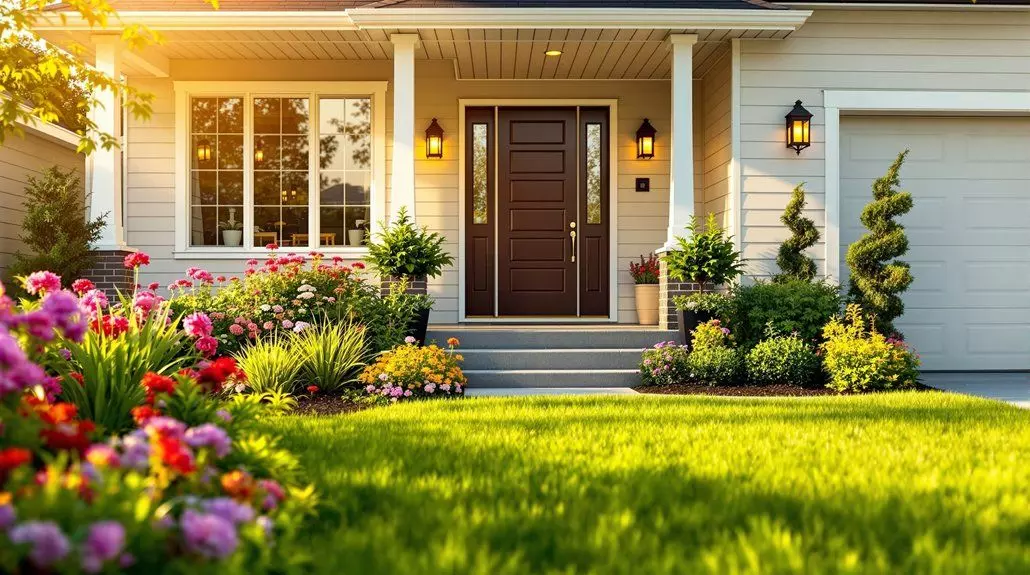
Boost Your Home's Value With These Strategic Upgrades
Thinking about selling your home? Not every upgrade pays off equally. Some renovations deliver exceptional returns, while others barely break even—or even lose money. The key is knowing where your dollars will work hardest.
Whether you're preparing to list in the next few months or simply want to build equity over time, these strategic improvements will maximize your return on investment. Here's what actually moves the needle—and what to skip.
Key Takeaways
- Kitchen updates offer the highest ROI—but minor refreshes often outperform complete gut renovations.
- Bathroom improvements consistently pay off—focus on fixtures, vanities, and fresh finishes.
- Curb appeal is your first impression—and costs less than you'd think to dramatically improve.
- Energy efficiency appeals to today's buyers—lower utility costs translate to higher perceived value.
- Fresh paint offers unmatched ROI—a few hundred dollars can return thousands.
- Over-improving for your neighborhood backfires—know your market's ceiling before investing.
Home Upgrades That Deliver the Best ROI
Not all improvements are created equal. Here's how common upgrades typically perform:
| Upgrade | Typical Cost | Typical ROI | Verdict |
|---|---|---|---|
| Minor Kitchen Remodel | $15,000-$30,000 | 70-80% | High Value |
| Bathroom Refresh | $5,000-$15,000 | 60-70% | High Value |
| Interior Paint | $2,000-$5,000 | 100-150%+ | Excellent Value |
| Curb Appeal/Landscaping | $1,000-$5,000 | 100-200%+ | Excellent Value |
| New Front Door | $1,500-$4,000 | 70-100% | High Value |
| Flooring Replacement | $5,000-$15,000 | 60-80% | Good Value |
| Major Kitchen Remodel | $60,000-$150,000 | 40-60% | Diminishing Returns |
| Swimming Pool | $35,000-$80,000 | 30-50% | Low ROI* |
*Pool ROI varies significantly by market. In Florida, pools are expected and add more value than in cooler climates. Even so, you rarely recoup the full installation cost.
Kitchen Upgrades: The Heart of Home Value
The kitchen remains the most influential room when it comes to home value. But here's the nuance: a smart refresh often outperforms a gut renovation.
Cabinet Refresh
Paint or refinish existing cabinets rather than replacing. Add new hardware for an instant update. Cost: $200-$600 for hardware; $1,000-$3,000 for professional painting.
Countertop Upgrade
Replace dated laminate with quartz or granite. This single change can modernize the entire kitchen. Cost: $2,000-$5,000 for average kitchen.
Updated Appliances
Matching stainless or slate appliances signal a modern kitchen. Focus on range, refrigerator, and dishwasher. Cost: $3,000-$8,000 for a matched set.
Backsplash Addition
A new backsplash adds visual interest and protects walls. Subway tile remains timeless; avoid trendy patterns that date quickly. Cost: $800-$2,500.
Bathroom Improvements That Pay Off
Bathrooms are the second most scrutinized rooms in a home showing. The good news? They're often smaller, so updates cost less than kitchen renovations while still delivering strong returns.
High-Impact Bathroom Updates
- New vanity and sink — replaces the dated look instantly; floating vanities feel modern ($300-$1,500)
- Updated fixtures — faucets, showerheads, towel bars, and toilet paper holders; brushed nickel or matte black ($200-$600)
- Fresh grout and caulk — re-grouting tile and replacing caulk makes old tile look new ($100-$400 DIY)
- New mirror and lighting — a framed mirror and modern light fixture elevate the space ($150-$500)
- Fresh paint — bright, clean colors make bathrooms feel larger and cleaner ($50-$200 DIY)
The total? You can transform a dated bathroom for $1,000-$3,000—and the impact on buyers is significant. A clean, updated bathroom removes a mental "project" from their list.
Curb Appeal: First Impressions Matter Most
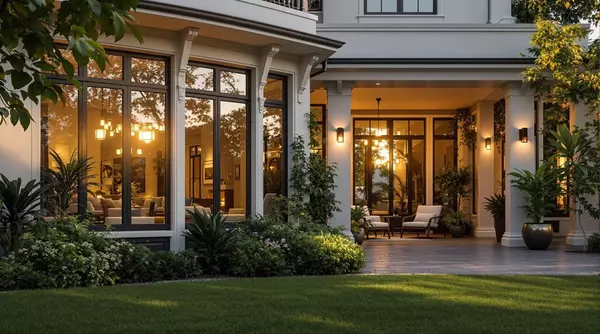
Buyers form opinions within seconds of pulling up to your home. Those few seconds can make or break their enthusiasm before they even walk through the door.
Landscaping Refresh
Fresh mulch, trimmed bushes, and colorful plants. Edge beds, remove dead plants, and add seasonal color. Cost: $200-$1,000 for significant improvement.
Front Door Upgrade
A new door or a fresh coat of paint on the existing one. Bold colors (navy, red, black) create memorable entrances. Cost: $100-$300 for paint; $1,500-$4,000 for replacement.
Exterior Lighting
Updated porch lights and pathway lighting add warmth and security. Solar path lights are budget-friendly. Cost: $50-$500 depending on scope.
Pressure Washing
Clean driveways, walkways, siding, and decks. Removes years of grime and makes everything look newer. Cost: $200-$500 professional; $50-$100 DIY rental.
I can help you prioritize improvements that will actually boost your sale price—and identify what's not worth the investment in your specific market.
Get Your Free Evaluation
Energy-Efficient Improvements That Attract Buyers
Today's buyers care about utility costs—especially in Florida and South Carolina where summer electric bills can be substantial. Energy-efficient improvements appeal to both their wallets and values.
| Improvement | Typical Cost | Annual Savings | Buyer Appeal |
|---|---|---|---|
| Smart Thermostat | $150-$300 | $100-$200 | High |
| LED Lighting Throughout | $100-$300 | $50-$150 | High |
| Attic Insulation | $1,500-$3,500 | $200-$500 | High |
| Energy Star Appliances | $500-$2,000 each | $50-$150 each | High |
| Impact/Energy Windows | $10,000-$25,000 | $300-$600 | Very High (FL) |
| Solar Panels | $15,000-$30,000 | $1,000-$2,500 | Mixed* |
*Solar panel appeal varies. Owned systems add value; leased systems can complicate sales. Always check local market reception.
Florida vs. South Carolina: Regional Considerations
What buyers value varies by market. Here's how priorities differ:
| Upgrade Priority | Florida | South Carolina |
|---|---|---|
| Hurricane Protection | Very high value—impact windows, reinforced doors | Important in coastal areas; less critical inland |
| Pool | Expected in many markets; not having one can hurt | Nice-to-have; seasonal use limits appeal |
| Outdoor Living | Screened lanais, outdoor kitchens highly valued | Porches, decks, and patios valued; less screen need |
| HVAC Efficiency | Critical—AC runs most of the year | Important; heating matters too in winter |
| Flooring | Tile and luxury vinyl preferred for humidity | Hardwood highly valued; LVP also popular |
Browse homes in Tampa, Wesley Chapel, Charleston, or Summerville to see what features are common in your target area.
Before You Start: Renovation Planning Checklist
Smart renovations start with good planning. Before investing in upgrades:
Pre-Renovation Checklist
- Know your neighborhood ceiling — don't over-improve; check recent sales prices
- Get multiple quotes — contractor prices vary significantly; get at least three
- Check permit requirements — unpermitted work can derail sales
- Consider timeline to sale — if selling soon, focus on cosmetic over structural
- Prioritize by impact — do high-visibility areas first (kitchen, bathrooms, entry)
- Keep finishes neutral — appeal to the widest buyer pool
- Document everything — save receipts and before/after photos for buyers
See What's Selling in Your Area
Check recent sales to understand what buyers in your market expect—and what they'll pay for.
Frequently Asked Questions
What order should I renovate in?
Start with structural issues (roof, foundation, plumbing, electrical), then move to high-impact visible areas (kitchen, bathrooms), then curb appeal, and finally cosmetics (paint, flooring). If you're selling soon, reverse the order—cosmetics first, since they're what buyers see. Never list a home with unfinished projects; complete one area before starting another.
Can I do renovations myself to save money?
Some projects are perfect for DIY: painting, landscaping, hardware replacement, simple fixture swaps, and pressure washing. Others should be left to professionals: electrical work, plumbing, structural changes, and anything requiring permits. Poor DIY work can actually hurt value—buyers notice crooked tile, bad paint jobs, and amateur electrical work. Know your skill level and be honest about it.
How long do renovations typically take?
Small updates (paint, fixtures, hardware) can be done in days. Bathroom refreshes typically take 1-2 weeks. Minor kitchen remodels run 4-6 weeks. Major renovations can take 2-4 months or longer. Always add 20-30% buffer time for delays—material shortages, contractor schedules, and unexpected issues are common. If selling, start earlier than you think you need to.
Are permits always required for renovations?
Permit requirements vary by location and project scope. Cosmetic work (paint, flooring, fixture replacements) typically doesn't require permits. Electrical, plumbing, structural changes, window replacements, and HVAC work usually do. In Florida and South Carolina, requirements vary by county. When in doubt, check with your local building department. Unpermitted work can create problems during sale—inspectors and appraisers look for this.
Can I finance renovations?
Yes, several options exist: home equity loans or HELOCs (if you have equity), personal loans, credit cards (for smaller projects), and renovation-specific loans like FHA 203(k). Each has different rates, terms, and qualification requirements. Consider whether the improvement will add enough value to justify the financing costs. For pre-sale improvements, sometimes the investment pays for itself through a higher sale price.
Should I renovate before selling or price accordingly?
It depends on your market and the condition of your home. In competitive markets, move-in ready homes sell faster and often for more—the premium can exceed renovation costs. In slower markets or for homes needing major work, selling as-is to investors or flippers may make sense. I can help you analyze what makes sense for your specific situation, market, and timeline.
Invest Wisely, Maximize Returns
The best home improvements are strategic, not random. Focus on what buyers in your specific market value most, keep finishes neutral and timeless, and avoid over-improving for your neighborhood.
Often, the biggest impact comes from the smallest investments: fresh paint, updated hardware, landscaping, and thorough cleaning. These create the emotional response that drives buyers to make offers—sometimes more effectively than expensive renovations.
If you're preparing to sell your home, I'd love to walk through your space and give honest advice about which improvements will pay off—and which to skip. Read more home preparation tips on my blog and reach out when you're ready to get started.
Recent Posts



GET IN TOUCH