
Builders Boost Incentives: A Buyer's Dream
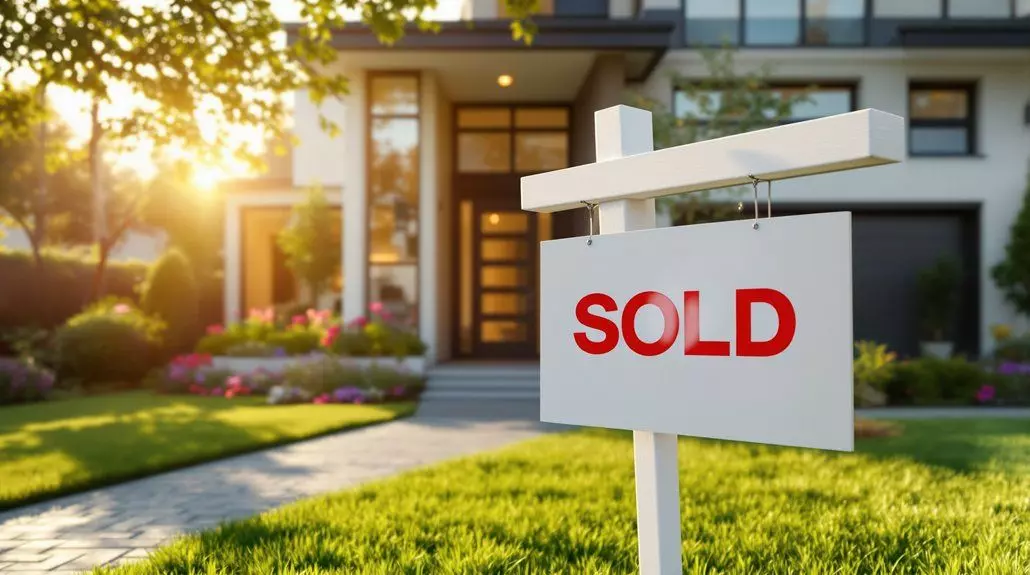
Builders Boost Incentives: A Buyer's Dream
If you've been watching the new construction market, you've probably noticed something exciting: builders are offering unprecedented incentives to attract buyers. From closing cost assistance to mortgage rate buydowns and free upgrades, the deals available right now make new construction more competitive than it's been in years.
Whether you're a first-time buyer, relocating to Florida or South Carolina, or simply exploring your options, understanding builder incentives—and knowing how to negotiate them—can save you tens of thousands of dollars. Here's what you need to know.
Key Takeaways
- Builder incentives are at historic levels—closing costs, rate buydowns, and upgrades are all on the table.
- Rate buydowns can save thousands—a 2-1 buydown can dramatically lower your payments in years 1-2.
- New construction is now price-competitive—with incentives, new homes often match or beat resale prices.
- Builder's preferred lender often has the best deals—but compare carefully before committing.
- Having your own agent costs you nothing—and protects your interests in negotiations.
- Incentives vary by community and timing—end of month/quarter often brings better deals.
Understanding the Current Market
The new construction market has shifted significantly. After years of limited inventory and bidding wars, builders now have more homes to sell—and they're competing aggressively for buyers.
What's driving the incentives:
- Higher interest rates — builders know rates have impacted buyer purchasing power
- Increased inventory — more completed and spec homes need buyers
- Quarterly sales targets — builders are motivated to hit numbers
- Competition among builders — multiple communities vie for the same buyers
The result? Buyers have leverage they haven't had in years. And smart buyers are using it.
Types of Builder Incentives Available Now
Not all incentives are created equal. Here's what builders are offering and what each type means for your bottom line:
Mortgage Rate Buydowns
Builder pays to reduce your interest rate, either permanently or temporarily (2-1 or 3-2-1 buydowns). Can save $10,000-$30,000+ over the loan's early years.
Closing Cost Assistance
Builder contributes toward your closing costs—often $10,000-$25,000 or more. Reduces cash needed at closing and improves your immediate ROI.
Free or Discounted Upgrades
Upgraded flooring, countertops, appliances, or smart home features included at no extra cost. Can add $15,000-$50,000+ in value.
Price Reductions
Direct cuts to the sales price. Great for buyers, but may affect appraisal values for future buyers in the community—consider the trade-offs.
Understanding Rate Buydowns
Rate buydowns are one of the most valuable incentives—but they can be confusing. Here's how they work:
Temporary Buydowns (2-1 or 3-2-1)
With a temporary buydown, your rate is reduced for the first 2-3 years, then adjusts to the permanent rate.
| Year | 2-1 Buydown Rate | Monthly Payment* | vs. Standard Rate |
|---|---|---|---|
| Year 1 | 4.99% (2% below note rate) | $2,139 | Save $447/month |
| Year 2 | 5.99% (1% below note rate) | $2,395 | Save $191/month |
| Year 3+ | 6.99% (note rate) | $2,586 | Standard payment |
*Example based on $400,000 loan amount. Your actual rates and savings will vary.
Total 2-year savings in this example: approximately $7,650—money that stays in your pocket during the most expensive years of homeownership (when you're buying furniture, making the home yours, etc.).
Permanent Buydowns
Some builders offer to buy down your rate permanently—typically 0.5% to 1%. This costs the builder more but saves you money every month for the life of the loan. On a $400,000 mortgage, a permanent 1% rate reduction saves roughly $250/month—over $90,000 across a 30-year loan.
I can help you compare builder incentives, negotiate upgrades, and ensure you're getting the best possible deal. My services cost you nothing—builders pay my commission.
Explore New Construction
Benefits of New Construction Beyond Incentives
Incentives aside, new construction offers advantages that resale homes can't match:
Customization Options
Choose your floor plan, finishes, colors, and features. Move into a home that reflects your taste without renovating someone else's choices.
Warranty Protection
Most new homes include 1-2 year builder warranties plus 10-year structural warranties. No surprise repairs in the first years of ownership.
Energy Efficiency
Modern building codes mean better insulation, efficient HVAC, Energy Star appliances, and lower utility bills. New homes can be 30-50% more efficient.
Modern Floor Plans
Open concepts, larger master suites, home office spaces, and layouts designed for how people live today—not 30 years ago.
Smart Home Technology
Pre-wired for smart thermostats, security systems, USB outlets, and connected devices. Technology built in rather than added on.
Lower Maintenance
Everything is new—roof, HVAC, appliances, water heater. No deferred maintenance to inherit. Budget for upgrades, not repairs.
New Construction in Florida vs. South Carolina
Both states have active new construction markets, but with some differences to consider:
| Factor | Florida | South Carolina |
|---|---|---|
| Builder Inventory | High—major national builders very active | Growing—mix of national and regional builders |
| Incentive Levels | Aggressive—builders competing hard | Strong—especially in Charleston suburbs |
| Price Points | Wider range; townhomes from $300s, SFH from $400s | Often more affordable; entry points lower |
| Insurance Considerations | Critical—new construction often easier to insure at better rates | Important in coastal areas; less challenging inland |
| HOA Fees | Common; vary widely ($100-$500+/month) | Common but often lower than Florida |
Explore new construction options in Tampa, Wesley Chapel, Charleston, and Summerville.
How to Negotiate Builder Incentives
Incentives aren't always fixed—there's often room to negotiate, especially in the current market. Here's how to maximize your leverage:
Builder Negotiation Checklist
- Bring your own agent — I can negotiate on your behalf and ensure nothing is overlooked
- Shop multiple communities — competition gives you leverage; mention what other builders offer
- Consider completed inventory — move-in ready homes often have the best incentives
- Time your purchase strategically — end of month, quarter, or year brings motivation
- Ask about unadvertised incentives — builders often have additional offers not publicly promoted
- Be pre-approved — serious buyers with financing in order have more negotiating power
- Compare the lender requirement — understand what you give up if not using their preferred lender
What to Watch For
Builder incentives are valuable—but go in with eyes open:
- Preferred lender requirements — most incentives require using the builder's lender; compare their rates to outside lenders to ensure the total package is competitive
- Base price vs. reality — the advertised "from" price may lack essential features; budget for likely upgrades
- HOA fees and special assessments — new communities may have developing fee structures; understand what's planned
- Completion timelines — if building, delays happen; understand the contract terms around timing
- Upgrade pricing — builder upgrade prices are often marked up significantly; prioritize structural upgrades you can't easily add later
Ready to Compare Builder Options?
I can show you current new construction options and help you compare incentive packages across builders.
Frequently Asked Questions
Can I negotiate incentives with builders?
Yes—especially in the current market. While builders may not negotiate much on the base incentive package, there's often flexibility on upgrades, closing timeline, or additional credits. Having a buyer's agent helps significantly; we know what's negotiable and how to ask. The worst they can say is no, and you might be surprised what they'll agree to—especially on completed inventory they're motivated to sell.
Are new homes more energy efficient?
Significantly. Modern building codes require better insulation, energy-efficient windows, and more efficient HVAC systems than homes built even 10-15 years ago. Most new construction includes Energy Star appliances and LED lighting. Many buyers report utility bills 30-50% lower than their previous homes. In Florida's summer heat, this can mean hundreds of dollars in monthly savings.
Do builders offer their own financing?
Most builders have preferred lenders—often their own mortgage companies or partner lenders. Using the preferred lender is typically required to receive the best incentives. These lenders can offer competitive rates and streamlined processes since they work with the builder regularly. However, always compare the total package (rate + fees + incentives) against outside lenders to ensure you're getting the best deal.
Can I customize the floor plan?
It depends on timing. If you're buying during the early construction phase, you can often make structural changes—adding a bedroom, expanding the garage, or modifying the layout. Once construction begins, changes become limited to finishes and features. For move-in ready inventory homes, what you see is what you get, but they often come with the best incentive packages.
What warranties come with new construction?
Most new homes include a 1-year builder warranty covering workmanship and materials, a 2-year warranty on major systems (electrical, plumbing, HVAC), and a 10-year structural warranty. Appliances have their own manufacturer warranties. Read the warranty documentation carefully—understand what's covered, the claims process, and any exclusions. Some builders offer extended warranty packages for purchase.
Should I get an inspection on new construction?
Absolutely. New doesn't mean perfect. A professional inspection often reveals issues that can be corrected before closing—under the builder's warranty. I recommend inspections at multiple stages if building: pre-drywall (to see what's behind the walls), pre-closing (the final walkthrough), and before the 1-year warranty expires. The cost is minimal compared to potential issues caught.
Making the Most of Builder Incentives
The current market offers a rare window for new construction buyers. With builders actively competing for business, the incentives available now may not last indefinitely. When the market tightens, these programs scale back.
If you've been considering new construction, this is an excellent time to explore your options. The combination of incentives, warranties, energy efficiency, and customization makes new homes more competitive than they've been in years.
I'd love to help you navigate the new construction process—comparing builders, negotiating incentives, and ensuring nothing falls through the cracks. Having your own agent costs you nothing (the builder pays my commission) and gives you an advocate focused solely on your interests. Learn more about new construction options or explore more home buying tips on my blog.
Recent Posts






GET IN TOUCH