
Interior Designers Warn: Avoid These Costly Design Trends
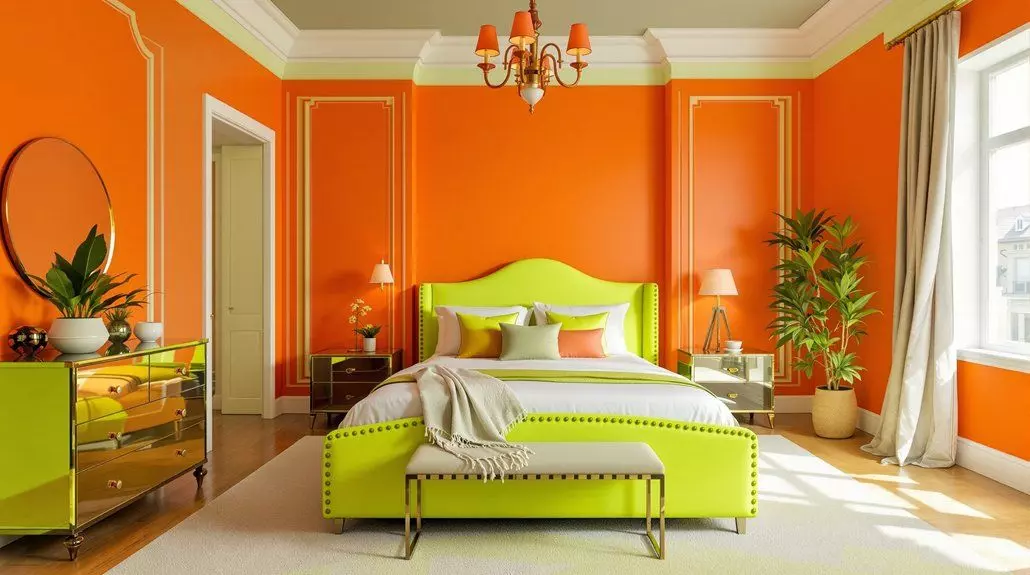
Interior Designers Warn: Avoid These Costly Design Trends
That trending paint color on Instagram? The gallery wall everyone's creating? The themed décor that looks amazing on Pinterest? Some of today's most popular design choices are tomorrow's regrets—and they could be costing you money when it's time to sell.
Whether you're preparing your home for sale or simply want to invest wisely in your space, understanding which trends to embrace and which to avoid can save you thousands. Here's what interior designers and real estate professionals agree you should think twice about—and what timeless alternatives actually pay off.
Key Takeaways
- Bold, trendy paint colors date quickly—timeless neutrals with staying power are safer investments.
- Disposable furniture costs more long-term than quality pieces that last decades.
- Themed and seasonal décor limits flexibility and can make spaces feel dated.
- Built-in technology becomes obsolete faster than the room around it.
- Overly personal design choices can hurt resale appeal for buyers who can't see past them.
- Classic, adaptable design keeps your home feeling fresh without constant (expensive) updates.
Paint Trends That Don't Age Well
Paint is one of the most affordable ways to transform a space—but it's also one of the easiest ways to date your home. Those bold, of-the-moment colors that look stunning in design magazines often feel tired within a few years.
Ultra-Trendy "Colors of the Year"
Millennial pink, ultra violet, viva magenta—each year brings a new "it" color. By the time you've painted, the trend has often peaked. These bold choices can feel dated within 2-3 years.
Warm Neutrals with Staying Power
Soft whites, warm grays, greiges, and muted earth tones have lasted decades for good reason. They photograph beautifully, appeal to most buyers, and let your furnishings shine.
Dark, Moody Accent Walls
That dramatic charcoal or navy accent wall may look sophisticated now, but dark colors can make rooms feel smaller and require multiple coats to cover when you inevitably want a change.
Subtle Texture or Architectural Interest
Board and batten, shiplap, or wainscoting painted in a soft neutral adds dimension without the commitment of bold color. It's easier to update and appeals broadly.
The Hidden Cost of Disposable Furniture
Fast furniture—those affordable pieces from big-box stores and online retailers—seems like a budget-friendly choice. But when you calculate the true cost, quality furniture almost always wins.
| Material | Typical Lifespan | Cost Per Year* | Verdict |
|---|---|---|---|
| Solid Hardwood | 15-25+ years | $60-100/year | Best Long-Term Value |
| Quality Metal Frame | 15-20 years | $50-80/year | Excellent Value |
| Quality Upholstery | 10-15 years | $100-150/year | Good Value |
| Particleboard/MDF | 3-5 years | $80-150/year | Poor Value |
| Budget Plastic/Laminate | 2-4 years | $75-125/year | Worst Value |
*Based on typical purchase prices divided by expected lifespan. Quality pieces often cost more upfront but less per year of use.
Beyond cost, disposable furniture doesn't photograph well for listings and can make your home feel less substantial during showings. Buyers notice quality—even subconsciously.
Themed Décor: Why Less Is More
A beach-themed bathroom. A farmhouse-everything kitchen. A man cave with wall-to-wall sports memorabilia. Themed rooms might express your personality, but they create problems when it's time to sell—or when you simply tire of the theme.
Problems with Over-Theming
- Limits buyer imagination — they see YOUR space, not their potential home
- Dates quickly — design themes cycle in and out of favor
- Expensive to undo — changing everything in a themed room adds up fast
- Photographs poorly — clutter and "stuff" distract from the home's features
The better approach: Create a cohesive, sophisticated foundation and add personality through easily changeable elements like throw pillows, artwork, and accessories. This way, you can refresh your look without redecorating entire rooms.
Not sure which design choices might be hurting your home's appeal? I can walk through your space and give honest feedback about what buyers in your market are looking for.
Get Your Free Evaluation
Gallery Walls: When More Becomes Too Much
Gallery walls have had their moment—and then some. While a well-curated grouping can work beautifully, the trend has led to overcrowded, visually chaotic walls that overwhelm spaces rather than enhance them.
Oversized Gallery Walls
Covering an entire wall with frames creates visual noise. When selling, these walls photograph as clutter and leave dozens of holes to patch.
One Statement Piece
A single large-scale artwork or mirror makes a sophisticated impact without overwhelming the space. It's easier to change and leaves walls intact.
Eclectic Mix of Everything
Random frames, sizes, and subjects mixed together can feel chaotic. What looks curated to you may look cluttered to buyers.
Curated Grid or Diptych
If you want multiple pieces, choose a tight grouping with matching frames and complementary subjects. Two or three pieces in a deliberate arrangement reads as intentional, not accidental.
Built-In Technology: A Fast Track to Obsolete
Remember when built-in entertainment centers with CRT TV cutouts were the height of luxury? Or dedicated home intercom systems? Technology evolves faster than your home's architecture, which makes built-in tech a risky investment.
Tech Integrations That Age Poorly
- TV recesses and niches — TVs change size and shape; that perfect niche becomes a problem
- Hardwired speaker systems — wireless technology has made these largely obsolete
- Proprietary smart home systems — platforms become unsupported; buyers inherit problems
- USB outlets — charging standards change; these become useless plugs
Smarter Tech Choices
- Wall-mounted TVs — easy to update as technology changes
- Wireless sound systems — portable, upgradeable, no holes in walls
- Standard smart devices — plugs, bulbs, and thermostats buyers can choose to use or replace
- Plenty of standard electrical outlets — never goes out of style
The Faux Plant Debate
Faux plants have improved dramatically in quality, and for some situations, they make sense. But designers caution against over-relying on artificial greenery—especially when selling your home.
Budget Faux Plants
Cheap artificial plants are obvious. The plastic sheen, unnatural colors, and stiff positioning fool no one and make spaces feel less authentic.
Easy-Care Real Plants
Pothos, snake plants, and ZZ plants thrive with minimal attention. They add life, improve air quality, and photograph beautifully for listings.
Exception: High-quality faux greenery in hard-to-reach spots (above cabinets, high shelves) or in extremely low-light conditions can work well. The key is investing in realistic options and keeping them dust-free.
Regional Design: What Works in Florida vs. South Carolina
Design preferences vary by region, and understanding what buyers in your market expect can help you make smarter choices:
| Design Element | Florida Preferences | South Carolina Preferences |
|---|---|---|
| Color Palettes | Bright, light, coastal; whites, soft blues, sandy neutrals | Mix of light and traditional; warm neutrals, classic blues, greens |
| Kitchen Style | Modern, clean lines; white or light cabinets; waterfall islands | Transitional works well; shaker cabinets; classic with modern touches |
| Outdoor Spaces | Screened lanais essential; outdoor living as important as indoor | Front porches valued; traditional Southern charm; covered outdoor areas |
| Flooring | Tile, LVP dominant; cool underfoot; water-resistant priority | Hardwood highly valued; LVP acceptable; mix works |
| Overall Vibe | Resort-casual; bright and airy; relaxed coastal | Classic Southern; traditional-meets-transitional; refined comfort |
Whether you're in Tampa or Charleston, timeless quality and neutral foundations appeal across regions—but understanding local preferences helps you make decisions that resonate with buyers in your specific market.
See What Design Choices Are Working in Your Market
Browse current listings to see how homes are being presented and what's attracting buyers.
Frequently Asked Questions
How can I incorporate trends without committing long-term?
Bring trends in through easily changeable elements: throw pillows, artwork, accessories, and removable wallpaper. Keep your big-ticket, permanent items (cabinets, flooring, built-ins) neutral and classic. This lets you refresh your look seasonally or annually without expensive overhauls.
What makes a design choice "timeless" vs. "trendy"?
Timeless designs have been popular for decades and continue to appeal across generations—think white kitchens, hardwood floors, and neutral walls. Trendy choices spike in popularity quickly and often fade just as fast. If a design element feels "of the moment" or requires explaining to older or younger generations, it's probably a trend.
How do I future-proof my home's design?
Focus on quality construction, classic proportions, and neutral foundations. Choose fixtures and finishes that have stood the test of time rather than this year's "it" material. Invest more in things that are hard to change (flooring, cabinetry, architectural details) and save trendy choices for things that are easy to swap out.
Are vintage and antique items always a good investment?
Not automatically. Quality vintage pieces with good bones, classic design, and solid construction can be excellent investments that add character and value. But "vintage" doesn't equal valuable—poorly made or heavily damaged pieces, or items that are simply old without being well-designed, won't enhance your home. Look for craftsmanship, timeless design, and good condition.
Can small spaces still look stylish without following every trend?
Absolutely—in fact, small spaces benefit most from timeless, uncluttered design. Focus on light colors that expand the space visually, furniture scaled appropriately to the room, smart storage solutions, and a few carefully chosen statement pieces rather than lots of trendy accessories. Less is definitely more when square footage is limited.
What sustainable design choices are also timeless?
Sustainability and timeless design often go hand in hand. Solid wood furniture that lasts generations, quality textiles that wear well, natural materials like stone and wood, and classic designs you won't tire of all reduce waste while maintaining style. The most sustainable choice is often the one you won't need to replace.
Design for Today and Tomorrow
The goal isn't to create a home that's boring or personality-free—it's to create a space that feels sophisticated, welcoming, and adaptable. Timeless design choices give you the freedom to update your look easily, appeal to buyers when it's time to sell, and enjoy your home without constant (expensive) overhauls.
If you're preparing to sell, these considerations become even more important. The design choices that feel perfect for your lifestyle may not resonate with buyers—and that gap can cost you money and time on market.
Whether you're updating for yourself or preparing to list, I'm happy to walk through your home and share what buyers in our Florida and South Carolina markets are looking for. Sometimes a few strategic changes make all the difference. Read more design and selling tips on my blog.
Recent Posts


GET IN TOUCH