
Boost Your Home’s Value With This Upgrade
Boost Your Home’s Value With This Upgrade
If you’re thinking about selling your home (or you simply want to protect your investment), you don’t need to start with a massive remodel to make a meaningful difference. In my Florida and South Carolina markets, buyers form an opinion in seconds—and the front entry is often the moment they decide whether your home feels “move-in ready” or “needs work.”
This article breaks down the one upgrade that can punch above its weight, plus the smart follow-up improvements that typically deliver the best return. I’ll also share a practical renovation order, cost-effective strategies, and what to avoid—especially in coastal climates where heat, humidity, salt air, storms, and insurance considerations matter.
Want the “what should I do first?” answer for your specific home? Grab a quick free home evaluation and I’ll help you prioritize improvements based on your neighborhood, price point, and typical buyer profile.
Key Takeaways
- Start at the front door. A clean, modern entry signals “well cared for” before buyers even step inside.
- Pair curb appeal + light upgrades. Paint, updated hardware, and exterior lighting can dramatically improve first impressions.
- Kitchen & bath “refresh” beats full gut jobs. Most sellers do best with clean, neutral, functional updates (not luxury splurges).
- Energy-efficient improvements sell the lifestyle. Buyers love lower utility bills and newer systems—especially in hot/humid regions.
- Use a smart renovation order. Fix first, freshen second, and only then add “features” that show well in photos.
- Avoid upgrades that shrink your buyer pool. Over-personalization and expensive “luxury” choices can backfire.
Simple Upgrades for Significant Gains
If you want the fastest, most visible improvement—start where buyers look first: the entry experience. A home can have a beautiful interior, but if the exterior feels tired, buyers will assume the inside is the same. In Florida and South Carolina, that “first impression” matters even more because sunlight is intense and every scuff, fade, and rust spot shows.
Upgrade the Front Door
A newer door instantly improves curb appeal. In coastal areas, choose finishes built for humidity and salt air, and consider impact-rated options where storms are a concern.
Replace Hardware + Add a Smart Lock
Coordinated handleset, hinges, and a clean keypad lock reads “updated” on a small budget—plus it’s convenient for showings.
Refresh Interior Paint
Neutral paint makes rooms feel brighter, cleaner, and larger in listing photos. Keep it warm and coastal—avoid bold or trendy colors.
Update Entry Lighting
New fixtures + bright (but warm) bulbs increase safety and curb appeal. Bonus: it looks great at dusk for listing photos.
Choosing the Right Front Door Material (Coastal-Friendly)
The “best” door depends on your neighborhood, exposure to salt air, and whether you’re in an area with stricter wind mitigation or impact requirements. Here’s a practical comparison:
| Door Type | Why Buyers Like It | Coastal Considerations | Best For |
|---|---|---|---|
| Steel | Crisp look, strong feel, often excellent value perception | Choose high-quality coating; avoid prolonged direct salt spray exposure | Most price points where “updated + secure” matters |
| Fiberglass / Composite | Low maintenance, can mimic wood, durable | Often a great choice for humidity/salt air; ask about impact-rated options | Coastal exposure + “set it and forget it” homeowners |
| Wood | High-end charm and warmth | More upkeep; humidity can impact finish over time | Covered entries + higher-end traditional styles |
Cost-Effective Renovation Strategies
The goal is simple: spend a little to gain a lot. That means focusing on projects that are highly visible, broadly appealing, and easy for buyers to understand. If they can “see” the improvement immediately, it tends to carry more value than a hidden upgrade they don’t notice during a tour.
- Work backward from your buyer: What do homes in your price point and neighborhood typically look like when they sell quickly?
- Choose “clean + consistent” over luxury: Matching finishes and neutral tones often outperform expensive, bold design choices.
- Photograph the upgrades: If it won’t show well in listing photos, it might not be the best first dollar.
- Keep receipts and warranties: Buyers love proof of improvements—and it supports your pricing narrative.
I’ll help you prioritize improvements that buyers actually pay for—based on your area, comps, and current market conditions.
Get Your Free Evaluation
Enhancing Curb Appeal and Value
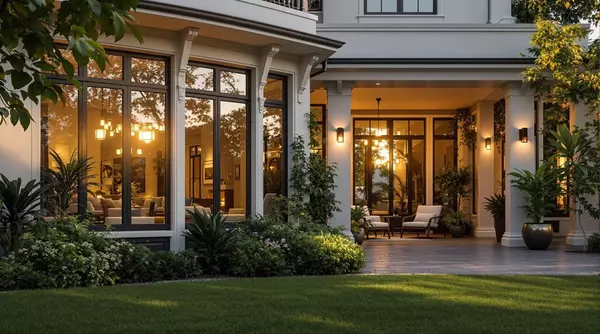
Curb appeal is more than pretty landscaping. It’s the story your home tells before buyers walk inside: “safe, maintained, and easy to love.” In coastal markets, a tidy exterior also signals you’ve stayed on top of the realities of sun, storms, and seasonal wear.
Quick Curb Appeal Checklist (High Impact, Low Drama)
- Pressure wash walkways, driveway edges, and the front porch
- Trim hedges, palms, and shrubs to “frame” the entry
- Add fresh mulch and a few symmetrical planters near the front door
- Replace a worn welcome mat and refresh house numbers
- Fix screens, repaint scuffed trim, and clean exterior glass
- Upgrade porch lighting for an inviting evening look
Energy-Efficient Improvements to Consider
Energy costs matter—especially in warm climates where HVAC runs hard for months. Buyers love upgrades that make a home feel more comfortable and less expensive to maintain. The best part? Many efficiency wins are more “upgrade” than “renovation.”
| Improvement | Budget Level | Why Buyers Care | Best Use Case |
|---|---|---|---|
| LED Lighting + Updated Fixtures | Low | Brighter, newer feel; lower operating costs | Whole-home “refresh” before listing |
| Smart Thermostat | Low | Comfort + control; easy modern upgrade | Hot climates and relocation buyers |
| Insulation / Attic Improvements | Medium | Better efficiency; comfort in summer heat | Older homes or warm upstairs rooms |
| Energy-Efficient Windows (where needed) | Medium | Comfort, noise reduction, sometimes insurance benefits | Sun exposure, older windows, storm-prone zones |
| Energy Star Appliances | Low–Medium | Updated kitchen impression; efficiency | When appliances are dated or mismatched |
Maximizing Return on Investment With Smart Renovations
Here’s the “sweet spot” I recommend to most sellers: refresh, don’t reinvent. Buyers want a home that feels current, clean, and reliable. You usually don’t need to do a full remodel—you need to remove objections.
The Smart Order: Fix → Freshen → Feature
Best Renovation Order Before Listing
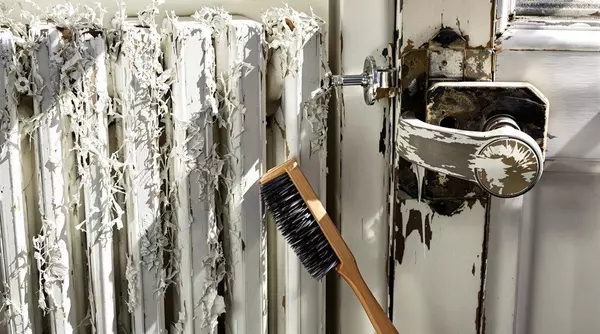
- Fix: leaks, roof/soffit issues, HVAC concerns, broken screens, peeling exterior paint
- Freshen: interior paint, deep clean, updated light fixtures, new hardware, declutter
- Feature: front door/entry, kitchen “mini refresh,” bathroom refresh, efficiency upgrades
- Finish: staging touches that photograph well (neutral bedding, clean counters, bright bulbs)
If you’re not sure what falls into “fix” versus “freshen” for your property, I can walk through priorities based on what’s typical for your area and current buyer expectations.
Searching for a Coastal Home That’s Already “Move-In Ready”?
Browse homes across Florida and South Carolina—from waterfront retreats to pool homes and new construction.
People Also Asked
What is the best renovation order if I’m planning to sell?
Start with repairs and maintenance, then move to paint/cleaning, and finish with the upgrades that photograph and show well (front entry, lighting, small kitchen and bath refreshes). The simplest rule: fix what scares buyers, then make the home feel clean, bright, and updated.
Can I do renovations myself, or should I hire a pro?
Many sellers can DIY high-impact tasks like painting, swapping light fixtures, changing hardware, and landscaping cleanup. For anything structural, electrical complexity, or projects that affect permits/insurance (like impact-rated openings), hiring a licensed pro is usually the safer move.
How long do typical pre-listing upgrades take?
Small upgrades can move quickly: paint and minor updates often take a weekend to a couple of weeks depending on scheduling. Bigger items like windows, doors, and contractor work can take longer. The best approach is to plan backwards from your ideal listing date and leave buffer time for delays.
Are permits always required for renovations?
Not always. “Like-for-like” cosmetic work (paint, hardware, fixtures) usually doesn’t require permits, but changing openings, replacing doors/windows in certain areas, or doing electrical/plumbing work may. Rules vary by county and municipality—so confirm with your local building department before starting.
Can I finance renovations before I sell?
Potentially, yes. Some homeowners use savings, HELOCs, renovation loans, or other lending options depending on credit, equity, and timelines. Talk with your lender to understand costs and repayment terms—and keep your project scope tight so you don’t over-improve for your neighborhood.
Which upgrades should I avoid if I want the best return?
Avoid upgrades that narrow your buyer pool or feel “too custom” (very bold design choices, overly expensive finishes for the neighborhood, or projects that add ongoing maintenance costs). In many cases, clean, neutral, and well-maintained beats luxury.
Recent Posts





GET IN TOUCH