
Is Stainless Steel Losing Its Kitchen Crown?
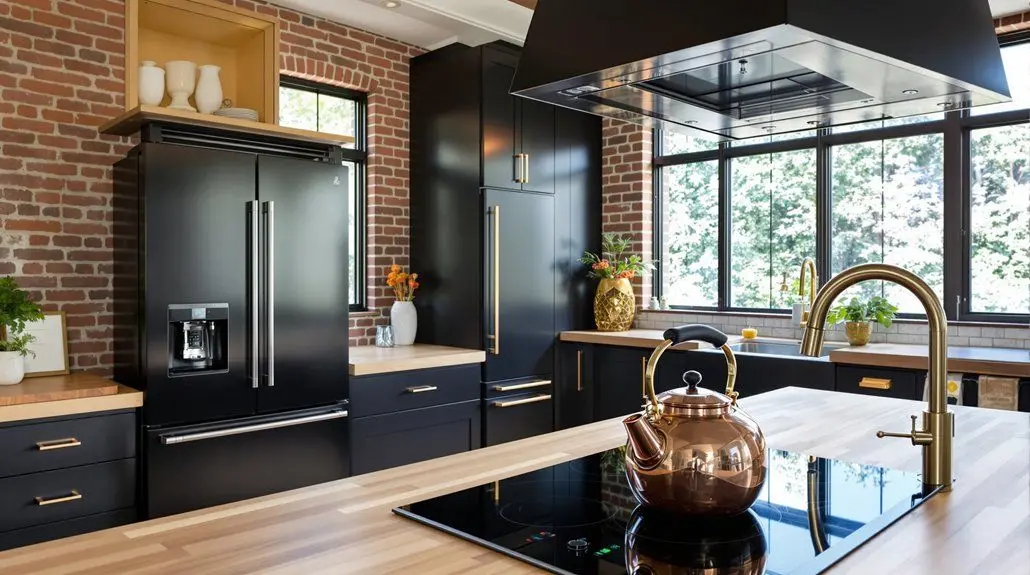
Is Stainless Steel Losing Its Kitchen Crown?
If you've been following kitchen design trends—or preparing to sell your home—you may have noticed something shifting. Stainless steel, the kitchen standard for nearly two decades, is loosening its grip on the design world. Designers and homeowners alike are reaching for alternatives that feel warmer, more personal, and less clinical.
So what does this mean for your home's value? Should you worry if your kitchen still sports stainless? And what finishes are today's buyers actually looking for? Let me walk you through this evolving trend and how it plays out in our Florida and South Carolina markets.
Key Takeaways
- Stainless steel is still safe for resale—it's not "out," but it's no longer the only desirable option.
- Paneled appliances that blend with cabinetry are increasingly popular in higher-end kitchens.
- Matte black and slate finishes offer lower-maintenance alternatives that hide fingerprints.
- Warm metals and retro-inspired finishes are trending for those seeking personality over uniformity.
- Matching, clean appliances matter more than the specific finish when selling your home.
- Kitchen trends cycle every 7-10 years—invest in timeless fundamentals, not fleeting finishes.
The Shifting Status of Stainless Steel
For years, stainless steel appliances were the universal upgrade. They signaled "updated kitchen" to buyers and photographed beautifully in listings. That hasn't entirely changed—stainless is still considered classic and photographs well. But its status has shifted from essential to optional.
What's driving this shift? Today's homeowners want kitchens that feel personal rather than clinical. They're seeking spaces that tell their story through layered, intentional design choices. And let's be honest—stainless steel's biggest practical flaw is increasingly hard to ignore: fingerprints. Every touch shows, and in busy family kitchens, that constant smudging gets old fast.
Appliance Finishes Buyers Are Loving Right Now
If stainless is no longer the automatic choice, what are today's buyers gravitating toward? Here are the finishes I'm seeing gain traction—and the pros and cons of each from a resale perspective:
Stainless Steel
Still a safe choice. Universal appeal, photographs well, considered timeless. Downsides: shows fingerprints, can feel cold in warm-toned kitchens.
Matte Black
Rising star. Hides fingerprints beautifully, makes a statement, pairs well with white or light cabinets. May feel too bold for some buyers.
Panel-Ready
Designer favorite. Appliances disappear behind custom cabinetry panels for a seamless, high-end look. Higher cost, but increasingly desired in luxury homes.
White
Classic comeback. Fresh, clean, cottage-friendly. Works beautifully in coastal and farmhouse kitchens. Shows dirt more than dark finishes.
Slate / Black Slate
Sophisticated alternative. Matte finish that resists fingerprints. Warmer than stainless, more subtle than black. Increasingly available from major brands.
Warm Metals & Retro
Statement makers. Copper, brass, and colored enamel appliances for those seeking personality. Beautiful but may limit buyer appeal at resale.
How Appliance Finishes Compare for Resale
If you're thinking about selling—or just want to make smart long-term choices—here's how these finishes stack up:
| Finish | Buyer Appeal | Maintenance | Best For |
|---|---|---|---|
| Stainless Steel | Broad — universally safe | High — shows fingerprints | Any kitchen, safe resale choice |
| Matte Black | Strong — on-trend | Low — hides smudges | Contemporary, white cabinet kitchens |
| Panel-Ready | High-end — luxury buyers | Low — matches cabinetry | Custom kitchens, high-end homes |
| White | Good — style-dependent | Medium — shows dirt | Coastal, cottage, farmhouse styles |
| Slate | Growing — sophisticated | Low — fingerprint resistant | Transitional, warm modern kitchens |
| Colored/Retro | Niche — very personal | Varies by finish | Personal homes, not selling soon |
The bottom line? Matching, functional appliances in any neutral finish will serve you well at resale. The specific finish matters less than condition, coordination, and overall kitchen presentation.
Get a market snapshot showing recent sales, price trends, and days on market for your neighborhood—updated in real time.
Get Your Market Snapshot
Why Paneled Appliances Are Taking Center Stage
If there's one trend reshaping high-end kitchen design, it's paneled appliances. These are refrigerators, dishwashers, and even freezer drawers that hide behind custom cabinet panels, making them virtually disappear into the cabinetry.
The appeal is obvious: instead of a kitchen dominated by industrial-looking appliance surfaces, you get a seamless, furniture-like space. It feels warmer, more intentional, and frankly more expensive—because it usually is.
Pros of Paneled Appliances
- Cohesive, custom look that elevates the entire kitchen
- No fingerprint battles—panels match your cabinetry finish
- Timeless appeal that won't look dated as finishes evolve
- High-end perception that appeals to luxury buyers
Cons to Consider
- Higher cost—both for panel-ready appliances and custom panels
- Less flexibility if you want to swap appliances later
- May be over-improvement for some neighborhoods
Appliance Preferences: Florida vs. South Carolina
While national trends apply broadly, I do see some regional nuances in what buyers prefer:
| Factor | Florida | South Carolina |
|---|---|---|
| Popular Finishes | Stainless, matte black, white (coastal) | Stainless, slate, paneled (in historic/Lowcountry homes) |
| Design Styles | Contemporary coastal, resort-style, Mediterranean | Lowcountry traditional, Southern charm, historic preservation |
| Buyer Priorities | Clean lines, low maintenance, bright and airy | Character, warmth, blending with historic elements |
| Panel Popularity | Growing in luxury condos and new construction | Popular in historic homes and custom builds |
In both markets, the key is matching your appliances to your kitchen's overall style. A contemporary Tampa condo might look best with sleek matte black, while a Charleston historic home might benefit from paneled appliances that disappear into custom cabinetry.
Should You Replace Your Appliances Before Selling?
This is one of the most common questions I get from sellers. Here's my honest take:
When Appliance Replacement Makes Sense
- Appliances are visibly dated (harvest gold, almond, older black)
- Mismatched finishes that look uncoordinated
- Not functioning properly or making unusual noises
- Rust, visible damage, or broken handles/doors
- Competing with nearby listings that have updated kitchens
When You Can Skip Replacement
- Appliances are clean, working, and less than 10-12 years old
- Finishes coordinate with each other (all stainless, all black, etc.)
- Kitchen has other strong selling points (layout, natural light, storage)
- You're pricing competitively and offering buyer incentives
- Budget is better spent on higher-ROI updates (paint, hardware, lighting)
Remember: buyers rarely pay dollar-for-dollar for new appliances. If yours are functional and coordinated, your money is usually better spent on cosmetic updates that photograph well—like fresh paint, new cabinet hardware, and good lighting.
Can You Mix Metal Finishes in Your Kitchen?
Yes! In fact, mixing metals is not just acceptable—it's increasingly desirable when done intentionally. The days of matchy-matchy everything are fading. A thoughtfully curated mix of finishes creates that "collected over time" look designers love.
Tips for Mixing Metals Successfully
- Stick to 2-3 finishes maximum—more than that starts to look chaotic
- Choose one dominant finish (usually your appliances) and let others accent
- Group warm with warm, cool with cool—brass and copper together, chrome and nickel together
- Repeat each finish at least twice so it looks intentional, not accidental
- Black and brass is a winning combination—matte black appliances with brushed brass hardware
Looking for a Kitchen That's Already Perfect?
Browse move-in-ready homes across Florida and South Carolina with beautifully updated kitchens.
Frequently Asked Questions
How do stainless steel appliances affect home resale value?
Stainless steel appliances still positively impact kitchen resale value because they're considered timeless and appeal to a broad range of buyers. However, today's market also values personalized touches. If you're renovating for resale, stainless remains a safe choice, but don't discount panel-ready options that create a more cohesive, custom look many buyers now desire.
Are panel-ready appliances more expensive than stainless steel?
Yes, panel-ready appliances typically cost more than standard stainless steel options. The premium comes from additional engineering required to accept custom panels and the seamless integration capabilities. You'll also need to budget for the custom panels themselves. However, the ability to create a cohesive, personalized kitchen that reflects your unique style is often worth the investment for buyers who value design autonomy.
Which appliance finishes require the least maintenance?
Matte black finishes are exceptional for low maintenance—they hide fingerprints and smudges beautifully, requiring just occasional wipe-downs. Slate and black slate finishes also perform well. Stainless steel, though classic, shows every fingerprint and requires frequent cleaning. Paneled appliances that match your cabinetry are also forgiving, as they don't show dust or marks as readily as glossier options.
How long do kitchen design trends typically last?
Kitchen design trends typically cycle every 7-10 years, though some elements last just 3-5 years. True design longevity comes from choices that balance timeless fundamentals with your personal style. Rather than chasing every new aesthetic, I recommend investing in quality fundamentals while expressing personality through easily changeable accents like hardware, lighting, and décor.
Can mixing different metal finishes work in kitchen design?
Absolutely! Mixing metal finishes is not just acceptable—it's desirable when done intentionally. Pair no more than three complementary finishes to achieve a curated, collected-over-time look. Warm copper with brushed brass, or matte black with polished nickel creates beautiful variety. The key is making mixed metals look purposeful rather than accidental.
Should I replace my appliances before selling my home?
It depends on their condition and age. Working, clean appliances in neutral finishes (stainless, black, or white) are generally fine for selling. Replacement makes sense if appliances are visibly dated, mismatched, or not functioning well. Focus your budget on updates with better ROI like paint, hardware, and lighting unless appliances are a clear liability.
The Bottom Line on Kitchen Appliance Finishes
Is stainless steel losing its crown? Perhaps—but it's not going away. It's simply making room for other finishes that better suit today's desire for warmth, personality, and low-maintenance living. The kitchen is evolving from a clinical workspace to a personalized sanctuary, and appliance finishes are just one piece of that transformation.
For sellers, the good news is that you don't need to chase trends. Focus on presenting a clean, coordinated kitchen with appliances that work well and complement your space. For buyers exploring homes in Tampa, Summerville, or anywhere along our beautiful coastlines, don't let appliance finishes be a dealbreaker—they're among the easier things to update down the road.
If you're wondering how your kitchen stacks up in today's market—or whether updates would help your home sell faster—I'm always happy to walk through your space and give you an honest assessment.
Recent Posts





GET IN TOUCH